Quick Summary
Cheek filler is a non-surgical injectable treatment, usually hyaluronic acid, that adds volume to the mid-face and softens the cheekbones. Most side effects, such as swelling and bruising, are mild and settle within weeks, though vascular complications are rare and serious. Choose a suitably qualified practitioner, and ask about their training, insurance and emergency protocols before booking.
- Hyaluronic acid fillers can be dissolved with hyaluronidase if a result needs adjusting.
- Swelling, bruising and redness usually settle within a few days to a couple of weeks.
- Vascular occlusion is rare but serious, and needs urgent medical attention.
- Results are temporary, so maintenance treatment should be factored into the cost from the start.
- Ask any clinic about its indemnity insurance, qualifications and emergency protocols before booking.
Table of Contents
- What Cheek Fillers Are and How They Work
- The Benefits of Cheek Filler for Facial Volume
- Cheek Filler Side Effects: Common Temporary Reactions
- How Long Do Cheek Fillers Last and Can They Be Reversed?
- What to Expect During Treatment and Cheek Filler Recovery
- Cheek Filler Before and After: Judging Realistic Results
- Weighing Up Your Decision: Questions to Ask Before Booking
- Frequently Asked Questions
What Cheek Fillers Are and How They Work
Cheek fillers are injectable treatments, most often based on hyaluronic acid, a substance the body already makes naturally to keep skin hydrated and supple. A practitioner places small amounts of gel into the cheek area to add volume, soften the contour of the cheekbones and lift the mid-face. (Source: Joint Council for Cosmetic Practitioners)
Hyaluronic acid is a popular choice because it can be dissolved with an enzyme if a result needs adjusting. Fillers are not permanent, and they do not stop the ageing process. They simply restore some of the volume that has been lost over time, which is why the outcome depends heavily on the amount used and where it is placed.
Cheek filler is a non-surgical treatment, so there are no incisions and no general anaesthetic. Anyone considering treatment should be treated by a suitably qualified practitioner, and in the UK that means checking their training, indemnity insurance and whether they are working within the rules set out by the Nursing and Midwifery Council and the Joint Council for Cosmetic Practitioners.
The Benefits of Cheek Filler for Facial Volume
The main benefit of cheek filler is restored facial volume. As we age, the fat pads in the mid-face gradually shift and thin, which can flatten the cheeks and deepen the lines running from the nose to the mouth. Adding a modest amount of filler can help the face look more balanced and rested, without changing your underlying features.
Many people also value the speed and flexibility of the treatment. There is little or no downtime for most people, so you can usually return to work or social plans the same day.
A key point, though, is that the benefit is only as good as the planning behind it. A conservative, carefully mapped treatment tends to look more natural than one that aims for dramatic change in a single session.
Cheek Filler Side Effects: Common Temporary Reactions
Most reactions to cheek filler are mild and short-lived. Swelling, bruising, redness and tenderness at the injection sites are common, and they usually settle within a few days to a couple of weeks. Some people also notice small lumps or firmness, which often soften with time and gentle massage if your practitioner advises it.
A common mistake is assuming that any swelling means something has gone wrong. Some puffiness is an expected part of the body’s response to needles and product, and it can make the early result look different from the final one.
Less frequently, people experience asymmetry, itching or a temporary change in sensation around the treated area. These effects are usually manageable, but they should always be reported. Honest, early communication with your practitioner is one of the best safeguards you have.
Rare but Serious Vascular Complications
Although uncommon, vascular occlusion is the most serious complication associated with dermal fillers. It happens when filler enters or compresses a blood vessel, reducing blood flow to the skin. Signs can include severe pain that feels out of proportion, skin that turns pale, white or mottled, and worsening discolouration. Any of these symptoms needs urgent medical attention, so contact a clinic immediately or go to A&E or call 999 if the situation is serious (the NHS).
This is one reason why practitioner training, facial anatomy knowledge and careful injection technique matter so much. A suitably trained practitioner should have a clear plan for recognising and responding to complications. Ask any clinic how they manage this risk before you book.
The table below summarises the main side effects covered in this section, with how long each usually lasts and what to do about it.
| Reaction | Typical duration | What to do |
|---|---|---|
| Swelling, bruising, redness | A few days to a couple of weeks | Expect it; report anything unusual |
| Small lumps or firmness | Often softens with time | Gentle massage if your practitioner advises it |
| Asymmetry, itching, changed sensation | Usually manageable | Always report to your practitioner |
| Vascular occlusion (rare, serious) | Urgent | Contact clinic, A&E or call 999 immediately |
How Long Do Cheek Fillers Last and Can They Be Reversed?
Cheek fillers do not last forever, and the duration varies from person to person. The exact timeframe depends on the product, the amount used, the area treated and your individual metabolism. Results are not a fixed promise, so anyone quoting a precise length of time should be treated with caution.
One of the reassuring features of hyaluronic acid fillers is that they can be reversed. An enzyme called hyaluronidase can dissolve the filler if a result is not what you wanted, or if a complication needs urgent treatment. This is not available for every type of filler, which is another reason to ask your practitioner exactly what product they plan to use and why.
Because fillers wear off, maintaining a result means repeat treatment, and the frequency and cost should be part of your decision from the start. Please contact us for current prices or a quote.
What to Expect During Treatment and Cheek Filler Recovery
A good consultation comes before any needle is used. Your practitioner should review your medical history, current medications, any previous filler or allergies, and what you hope to achieve. They should also examine your face, discuss realistic options and explain the risks in plain language. If a treatment is not right for you, a responsible clinician will say so.

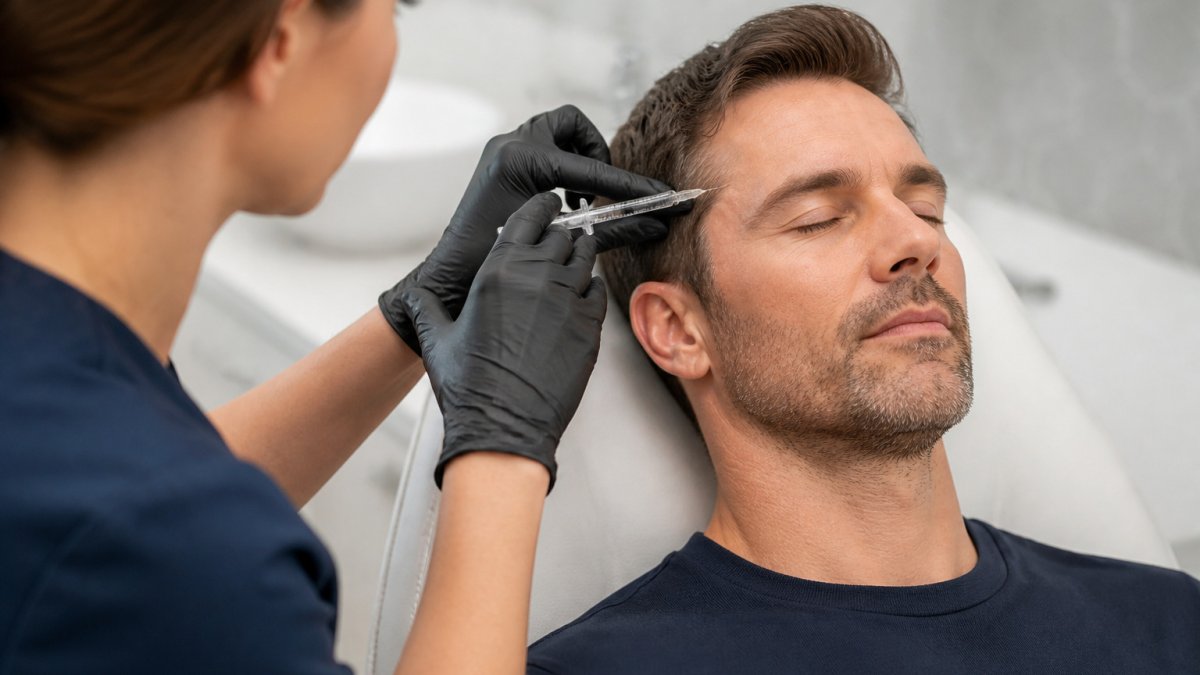
On the day, the treatment area is cleaned, and a topical numbing cream or anaesthetic may be used. The practitioner then places small amounts of filler using fine needles or a cannula, checking symmetry as they go. Most people describe the sensation as pressure rather than sharp pain. The whole session is usually quick, and you can ask questions at any point.
Afterwards, expect some tenderness, swelling or bruising. Practitioners commonly advise avoiding strenuous exercise, heat treatments, alcohol and very firm pressure on the face for a short period. Follow your aftercare instructions carefully and keep your follow-up appointment.
Cheek Filler Before and After: Judging Realistic Results
Before and after photos can be useful, but they need to be read carefully. Lighting, camera angle, make-up, facial expression and the timing of the photo all change how a result looks. A photo taken during the swelling phase may not reflect the settled outcome, and a photo from a different face shape may not be a fair comparison for yours. You can browse real cheek filler before and after examples to see how outcomes compare.
When you look at examples, focus on whether the face still looks like you. Subtle, balanced changes that enhance your existing features are generally what most people are aiming for. Be wary of results that look dramatically different from the original face, because they often signal over-treatment. Ask your practitioner what examples they can show you of similar cases and what was done and why.
Weighing Up Your Decision: Questions to Ask Before Booking
Cheek filler is an elective procedure, and a good decision is one you make with clear information rather than pressure. Use the consultation to gather specifics, and treat the following questions as a minimum checklist.
About the practitioner and premises
- What are your qualifications, and are you registered with a UK regulatory body such as the Nursing and Midwifery Council or the General Medical Council?
- Do you hold current indemnity insurance, and can I see evidence of it?
- What is your experience with cheek filler specifically, and how many treatments have you performed in this area?
- What emergency protocols do you have in place, and do you stock hyaluronidase on site?
About the product and plan
- Which product do you recommend for me, and why? Is it hyaluronic acid based, and can it be dissolved?
- How much product do you plan to use, and what is the total cost including any follow-up appointments?
- What are the realistic risks and benefits for my face, and what alternatives should I consider?
- What is your plan if I am not happy with the result, or if a complication occurs?
About aftercare and follow-up
- What aftercare instructions will I receive, and who do I contact if I have a problem out of hours?
- When will I be reviewed, and is that review included in the price?
- How long should I expect the result to last, and what maintenance will be needed?
It is also worth thinking about the option of doing nothing, or choosing a different approach such as skincare or lifestyle changes. You should not feel pressured into a decision, and it is reasonable to take time to consider the benefits against the risks, the ongoing cost and the commitment to maintenance treatments. A clinic that welcomes these questions and answers them without evasion is usually one you can trust.
If you have questions about cheek filler, you can contact us to talk through your concerns with our team. You can also explore our aesthetic and skincare treatments in Godalming to see what is available. For a closer look at the treatment process and clinic setting, our complete guide to dermal fillers in Godalming covers more detail.
Want a treatment plan that aims for natural, balanced results? Get started with Aesthetically Kind and book a consultation with a nurse prescriber who will talk through your goals honestly.
Frequently Asked Questions
Are cheek fillers safe?
Cheek fillers are generally considered safe when they are placed by a suitably trained and qualified practitioner, but no cosmetic procedure is entirely without risk. Common effects such as swelling, bruising and tenderness usually settle within days. Rarer but serious complications, including vascular occlusion, can occur. Choosing a registered professional, discussing your medical history openly and asking how complications would be managed all help reduce risk. A consultation is the right place to talk through whether treatment suits you.
How long do cheek fillers last?
Results vary between individuals, depending on the product used, the treatment area, your metabolism and lifestyle factors. Hyaluronic acid fillers typically last several months, though the exact duration varies. Your practitioner can explain what to realistically expect for your face and your goals. Repeat treatment is a personal decision, and many people choose smaller top-up sessions rather than larger one-off changes.
What should I ask before getting cheek fillers?
Ask who will perform the treatment and what their qualifications and prescribing status are. Find out which product is proposed, why it suits your concerns, and what the realistic outcome looks like. Ask how many treatments you might need, what the likely temporary side effects are, and what happens if a complication occurs. Request a clear written quote that shows what is included. Taking time to ask these questions supports informed consent.
Can cheek fillers be dissolved if I do not like the result?
Hyaluronic acid fillers can be dissolved using an enzyme called hyaluronidase, which is often used in an emergency if a vascular complication is suspected. This means that, in many cases, the filler can be reversed. However, reversal is not always desired or necessary, and the outcome depends on the product used and how it has settled. If you have concerns about your result, speak to your practitioner promptly rather than waiting.