Last Updated: October 25, 2026
Quick Summary
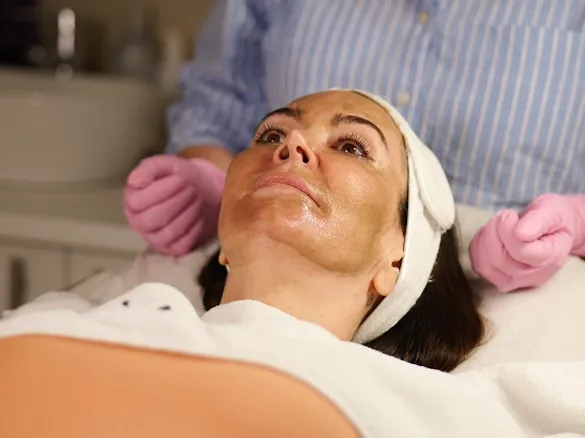
Chemical peel before and after results show how skin texture, tone and clarity change once the outer layer of skin has been removed and allowed to renew. A peel can soften fine lines, fade sun damage and even out patchy tone, but it cannot rebuild volume or tighten loose skin.
- Superficial peels give a mild glow with minimal downtime, while medium peels reach deeper for pigmentation and fine lines.
- Expect tight, warm skin for days 1-3, visible flaking from days 3-7, and settled results by weeks 2-4.
- Superficial peels usually settle within a day or two; medium peels involve three to seven days of visible shedding.
- Judge before and after photos taken in the same lighting and angle, with no makeup or filters, two to four weeks apart.
- Use a high-factor sunscreen every morning, as unprotected sun exposure undoes pigmentation work within days.
Table of Contents
- What Chemical Peel Before and After Results Really Show
- Types of Chemical Peel and Their Typical Outcomes
- Your Chemical Peel Results Timeline, Week by Week
- Chemical Peel Recovery Time and Planning Around It
- How to Read Chemical Peel Before and After Photos
- Chemical Peel Aftercare That Protects Your Results
- What Influences How Well Your Results Turn Out
- Book a Skin Consultation at Our Godalming Clinic
- Frequently Asked Questions
What Chemical Peel Before and After Results Really Show
Chemical peel before and after results show how skin texture, tone and clarity change once the outer layer of skin has been removed and allowed to renew. At Aesthetically Kind, our nurse-led clinic in Godalming sees this question more than almost any other. People want to know what will actually look different, and by how much.
The honest answer: a peel improves surface quality. It does not rebuild volume, lift sagging skin or change your facial structure.
What a Peel Can and Cannot Change
A chemical peel can soften fine lines, fade sun damage and even out patchy tone. It can clear dullness and help with mild breakouts. It cannot replace lost facial volume or tighten loose skin around the jaw.
That distinction matters. If your main concern is volume loss, a peel alone will not deliver what you are hoping for. If your concern is texture, pigmentation or glow, it is a genuinely good option.
Types of Chemical Peel and Their Typical Outcomes
Chemical peels fall into three broad groups, and each produces a different scale of result. The NHS information on skin treatments is a sensible starting point for understanding what these procedures involve.
- Superficial peels: gentle acids that refresh the surface. Mild glow, minimal downtime.
- Medium peels: reach deeper for pigmentation and fine lines. Noticeable peeling for several days.
- Deep peels: reserved for significant sun damage. Longer recovery and higher risk.
Most people seeking subtle, natural-looking improvement sit comfortably in the superficial to medium range. Deep peels are rarely the right first step.
Your Chemical Peel Results Timeline, Week by Week
The chemical peel results timeline follows a predictable pattern, and knowing it prevents panic. Nothing looks better on day two.
- Days 1-3: skin feels tight, warm and may darken slightly.
- Days 3-7: visible flaking or peeling begins. Resist picking.
- Weeks 1-2: fresh skin emerges. Tone looks brighter but can be sensitive.
- Weeks 2-4: results settle and texture improves.
- Beyond 4 weeks: collagen response continues with a course of peels.
One session gives a lift. A planned course gives lasting change.
Here is how the results typically unfold after a peel.
| Stage | What to expect |
|---|---|
| Days 1-3 | Skin feels tight, warm and may darken slightly |
| Days 3-7 | Visible flaking or peeling begins; resist picking |
| Weeks 1-2 | Fresh skin emerges; tone brighter but can be sensitive |
| Weeks 2-4 | Results settle and texture improves |
| Beyond 4 weeks | Collagen response continues with a course of peels |
Chemical Peel Recovery Time and Planning Around It
Chemical peel recovery time depends entirely on depth. A superficial peel usually settles within a day or two, with light flaking that makeup can cover. Medium peels typically involve three to seven days of visible shedding. Deep peels require a more extensive recovery timeline, which necessitates careful planning to manage the skin as it transitions through these distinct stages.
Plan around your calendar, not against it. If you have client meetings back to back, book a lighter peel or schedule treatment before a quiet week. We would rather adjust the plan than have you hide behind a screen.
Watch out: picking or scrubbing at flaking skin can cause scarring and uneven pigment. Let it shed on its own.
How to Read Chemical Peel Before and After Photos
Chemical peel before and after photos are only useful if you can judge them fairly. Most are taken in flattering light, and many are edited. Here is what to check.
- Same lighting, same angle, same distance in both images
- No makeup and no filters
- A realistic gap between photos, usually two to four weeks
- Skin type and concern similar to yours

Ask to see results from people with your skin tone and your concern. You can also read skincare and aesthetic reviews to see how others describe their outcomes in their own words.
Chemical Peel Aftercare That Protects Your Results
Aftercare decides whether your results hold or fade. Sun protection is the single biggest factor. Freshly peeled skin burns easily, and unprotected sun exposure undoes the pigmentation work within days.
- Use a high-factor sunscreen every morning, rain or shine
- Keep the skin moisturised with a gentle recovery cream
- Pause retinol, acids and exfoliants until the skin settles
- Avoid saunas, steam rooms and heavy exercise for a few days
- Do not wax or thread treated areas
Keep it simple. Cleanser, moisturiser, sunscreen. That is the whole routine for the first week.
What Influences How Well Your Results Turn Out
Skin type, peel depth, aftercare and your starting point all shape the outcome. Someone with mild dullness will see a quick change. Someone with years of sun damage needs a staged plan.
Season matters too. Many people find autumn and winter the easier months for peels, because lower UV levels reduce the risk of rebound pigmentation. Our guide on how to prepare your skin for winter covers the seasonal basics well.
Your practitioner’s assessment matters most. A nurse prescriber can review your skin, your history and your expectations before recommending a strength. That is the difference between a tailored plan and a one-size-fits-all approach.
Book a Skin Consultation at Our Godalming Clinic
A consultation is where chemical peel before and after results stop being abstract. We assess your skin, discuss what a peel can realistically achieve for you, and agree a plan that fits your calendar and your comfort level.
At Aesthetically Kind, every treatment is led by a registered nurse and independent nurse prescriber. That means your skin is assessed by someone qualified to judge what is safe and appropriate for you. We focus on natural, subtle results, and we will happily tell you when a peel is not the right answer.
If you are searching for a trusted skin clinic near me in the Surrey area, we are based in Godalming and welcome clients from across the region. You can book a chemical peel consultation in Guildford or explore our chemical peels in Godalming to see what treatment involves.
Frequently Asked Questions
How long does it take to see chemical peel results?
Most people notice fresher, brighter skin within three to seven days of a superficial peel, once any flaking settles. Light peels show their full effect after about two weeks. Medium peels can take two to four weeks before the skin looks settled, and deeper treatments may take longer. Because results build gradually, a course of treatments spaced several weeks apart usually gives a clearer change than a single session. Your clinician can give you a realistic timeline for your skin at consultation.
Are chemical peel results permanent?
No peel result is permanent. A peel removes surface cells and stimulates renewal, but skin continues to age and sun exposure keeps affecting it. Brightness and smoothness from a light peel may last a few weeks to a few months, while improvements in pigmentation or texture from a course of medium peels can hold for longer with good aftercare. Daily SPF use and a sensible home routine are what protect the investment between appointments.
Can a chemical peel make skin look worse before it gets better?
Yes, and this is normal. In the first few days skin can look red, tight and flaky, and pigmentation may darken slightly before it lifts away. This is part of the chemical peel recovery time, not a sign that something has gone wrong. What matters is that any redness or flaking is within the range your clinician predicted for the depth of peel you had. Contact the clinic if you see blistering, spreading redness or significant pain rather than mild expected irritation.
How many chemical peels are needed to see results?
For brightness and texture, a course of three to six light peels spaced two to four weeks apart is common. Pigmentation and early signs of ageing often need a series of medium peels over several months, with maintenance sessions afterwards. The right number depends on your skin concern, peel strength and how your skin responds. A nurse-led consultation will map out a plan and review progress between sessions rather than committing you to a fixed package upfront.
Your skin deserves a plan built around your face, not a template. Get started with Aesthetically Kind and book a consultation with our nurse-led team, where personalised assessment, honest advice and natural-looking results come first.