Last Updated: October 30, 2026
Quick Summary
Safe and tailored aesthetic treatments start with a proper assessment rather than a menu of options, because skin quality, facial volume, muscle movement, sun history and general health all vary between individuals. A personalised consultation in Godalming should cover your medical history, medicines, allergies and previous treatments, and you should leave with a written plan and clear costs before anything is booked.
- Skin quality treatments work on texture, tone, pores, scarring and hydration, while wrinkle-relaxing injections and fillers change shape or movement.
- Wrinkle-relaxing injections and dermal fillers are prescription-only medication in the UK, so prescriber involvement matters.
- Acne scarring varies in type, depth and distribution, and results typically build gradually over a course of sessions.
- Tell your practitioner about blood thinners, pregnancy, active skin infections, recent sun exposure and any history of cold sores or keloid scarring.
- Check registration with the Nursing and Midwifery Council first, then qualifications, then insurance.
Table of Contents
- Why One-Size-Fits-All Aesthetic Treatments Fall Short
- The Main Types of Safe and Tailored Aesthetic Treatments
- What Happens at a Personalised Skin Consultation in Godalming
- How Many Microneedling Sessions for Acne Scars Should You Expect?
- Aesthetic Treatment Safety and Aftercare: What to Know Before You Book
- How to Check a Practitioner Is Properly Qualified
- Book Your Personalised Skin Consultation
- Frequently Asked Questions
Why One-Size-Fits-All Aesthetic Treatments Fall Short
Skin is not a template. Two people of the same age, with the same complaint and the same budget, can need completely different aesthetic treatments, because what sits under the surface differs enormously. Clients often arrive asking for “the usual” and leave with a plan that looks nothing like their friend’s.
The reason is straightforward. Skin quality, facial volume, muscle movement, sun history and general health all vary between individuals, and each of those factors changes which treatment is appropriate and how conservative the approach should be. A protocol applied without assessment can over-treat some areas and overlook others, which is one way people end up looking “done” rather than rested.
Safe and tailored aesthetic treatments are best started with a proper assessment rather than a menu of options.
The Main Types of Safe and Tailored Aesthetic Treatments
Most non-surgical options fall into two broad groups: treatments that improve skin quality, and treatments that change shape or movement. Knowing which group a concern belongs to is the first practical step towards choosing sensibly.
Skin Quality Treatments: Microneedling, Peels and Skin Boosters
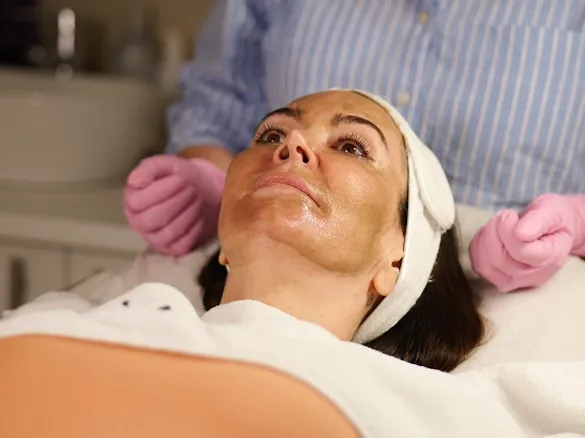
Skin quality treatments work on texture, tone, pores, scarring and hydration. Microneedling creates controlled micro-injuries that can stimulate collagen; peels remove surface layers to address pigmentation and dullness; skin boosters deliver hydration into the skin. Each suits a different problem, and combining them without a plan is where results go flat. If you want the full detail on what each involves, you can read about microneedling in Godalming or explore skin boosters in Godalming before deciding.
Wrinkle-Relaxing Injections and Dermal Fillers
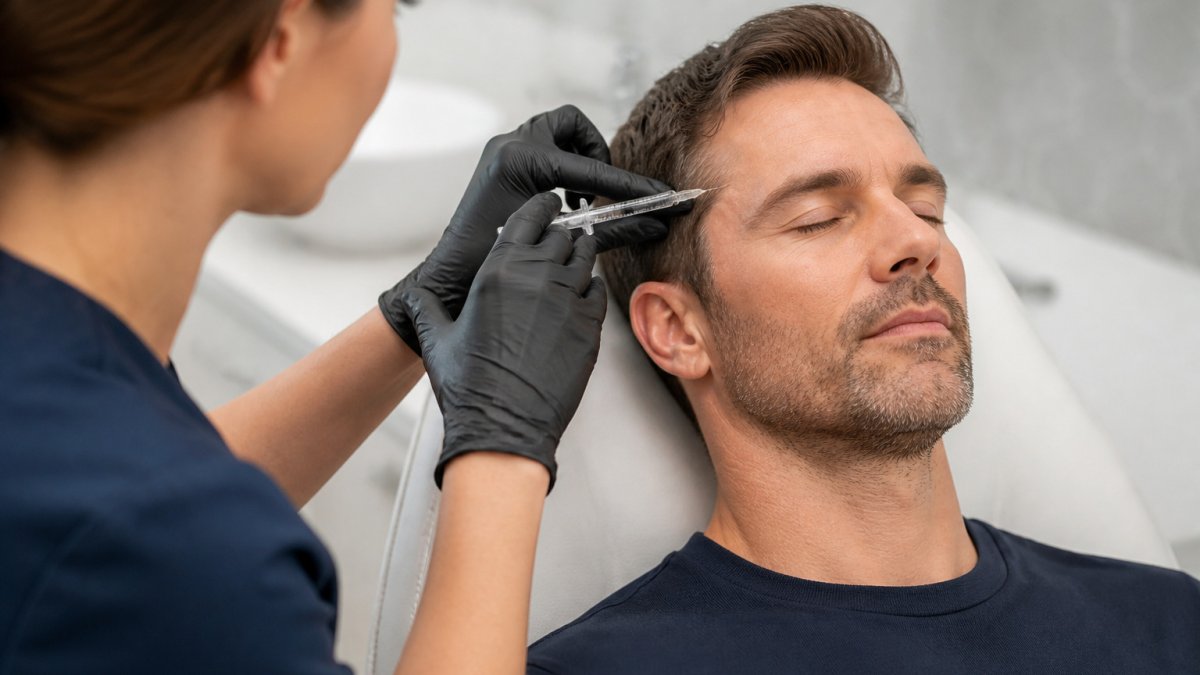
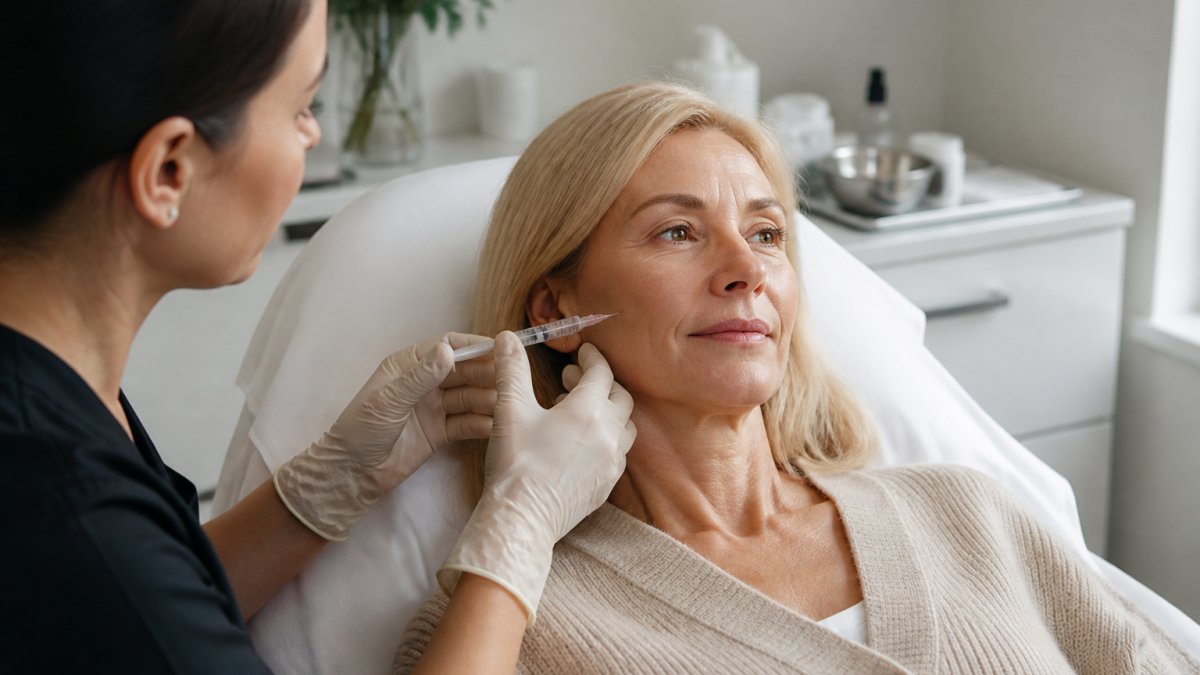
Wrinkle-relaxing injections reduce the pull of specific muscles; dermal fillers restore volume or refine contours. Both are prescription-only medication in the UK, which is why prescriber involvement matters. Used conservatively, they soften rather than erase. Used without assessment, they can produce a frozen or overfilled look that many people wish to avoid.
What Happens at a Personalised Skin Consultation in Godalming
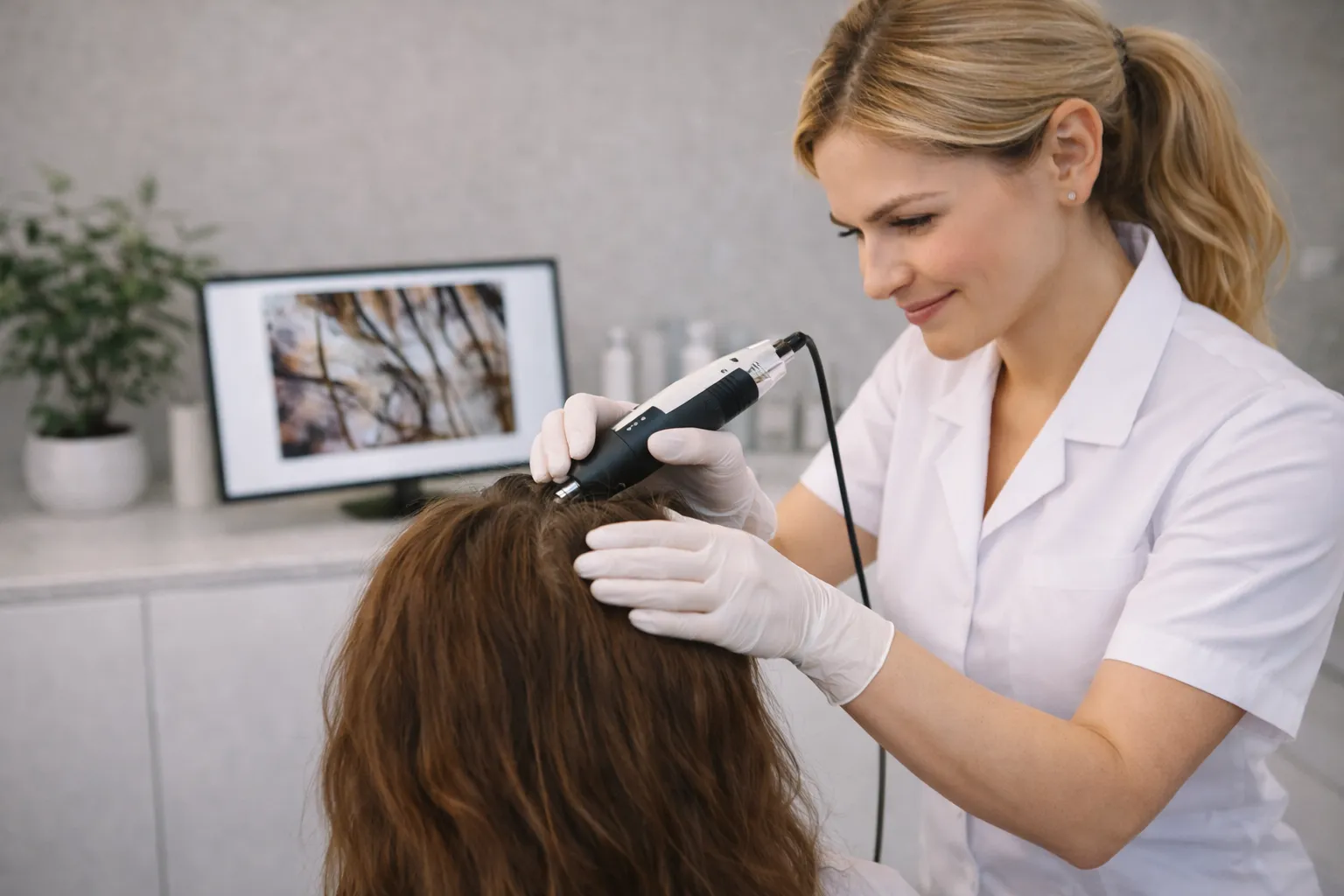
A personalised skin consultation is generally a structured assessment. It should cover your medical history, medicines, allergies, previous treatments, skin behaviour and what you want to change.

Expect the practitioner to look at your skin under proper lighting, discuss downtime against your diary, and explain the realistic ceiling of any result. You should leave with a written plan and a clear understanding of likely costs before anything is booked. Please contact Aesthetically Kind directly for current prices or a quote. You can read more about your aesthetic nurse and skin specialist beforehand. (Source: the Medicines and Healthcare products Regulatory Agency (MHRA))
How Many Microneedling Sessions for Acne Scars Should You Expect?
Many people need a course of sessions rather than a single appointment, with the number and spacing confirmed at consultation. Acne scarring varies in type, depth and distribution, and ice-pick, rolling and boxcar scars respond differently. Results typically build gradually over time as treatment progresses. Anyone promising a fixed number before seeing your skin is guessing.
Aesthetic Treatment Safety and Aftercare: What to Know Before You Book
Aesthetic treatment safety and aftercare begin before the appointment, not after it. Tell the practitioner about blood thinners, pregnancy, active skin infections, recent sun exposure and any history of cold sores or keloid scarring. These details change what is safe to do and when.
Aftercare is unglamorous but decisive: follow the cleansing and sun protection instructions exactly, avoid heat and strenuous exercise for the advised window, and do not pick or scrub treated skin. Skipping sun protection after treatments such as microneedling or peels can increase the risk of pigmentation changes.
How to Check a Practitioner Is Properly Qualified
Check registration first, then qualifications, then insurance. In the UK, nurses must be registered with the Nursing and Midwifery Council, and you can check this on the council’s register (Search the register). Ask who holds the prescribing responsibility, what happens in a complication, and which products are used.
Our step-by-step guide on finding safe anti-wrinkle injections walks through the questions worth asking before you book anywhere.
| Check | What to Verify | Why It Matters |
|---|---|---|
| Registration | NMC pin, checked independently | Confirms the practitioner is regulated |
| Prescribing | Named prescriber involved | Prescription-only medicines require it |
| Consultation | Face-to-face assessment offered | Treatment should follow diagnosis |
| Aftercare | Written instructions and contact route | Complications need a clear pathway |
Book Your Personalised Skin Consultation
Good aesthetic work is quiet. It should look like you on a better day, not like a treatment. That requires an honest assessment, a conservative plan and a practitioner who will tell you when less is more.
Aesthetically Kind is a nurse-led clinic with an independent nurse prescriber, focused on personalised, natural-looking, subtle results. If you are ready to stop guessing, you can find our aesthetics clinic in Godalming and arrange your consultation.
Frequently Asked Questions
How do I choose the right aesthetic treatment for my skin?
Start with a consultation rather than a treatment menu. A qualified practitioner will assess your skin type, concerns, medical history and how much downtime you can manage, then recommend options. For early fine lines, skin quality treatments such as microneedling or peels may be enough. Volume loss often calls for a different approach. The right choice depends on your assessment, not on what is trending, so ask what the plan is and why it suits you.
What happens during an aesthetic skin consultation?
Expect a structured conversation and skin assessment. Your practitioner should ask about your medical history, medications, allergies, previous treatments and what results you want. They will examine your skin, discuss realistic options and explain risks, downtime and costs before you commit. At a nurse-led clinic, the prescriber can also confirm whether prescription-only treatments are appropriate. You should leave understanding your plan and aftercare, with time to ask questions.
How many microneedling sessions might acne scars need?
Many people need a course of sessions rather than one, often spread several weeks apart, with results building gradually. The exact number depends on scar type and depth, skin tone, how your skin responds and the device used. Your practitioner should set a realistic plan at consultation and review progress between sessions. Acne scars rarely disappear completely; the aim is usually visible improvement in texture. Ask what improvement is realistic for your scars before starting.
How can I check whether an aesthetic practitioner is suitably qualified?
Ask directly about their professional registration, qualifications and who prescribes any prescription-only medication. Nurses should be registered with the Nursing and Midwifery Council, and you can check registration on the council’s register. Ask what training they have completed for each specific treatment, whether they hold indemnity insurance and what happens if you have a complication. A reputable practitioner will answer openly and offer a consultation before any treatment.
What aftercare is recommended following a skin treatment?
Aftercare depends on the treatment. Generally, expect to keep the area clean, avoid strenuous exercise, alcohol, saunas and intense heat for a short period, and use gentle skincare with sun protection. Some treatments cause redness or mild swelling that settles within days. Follow the written aftercare instructions your clinic provides, and contact them promptly if you notice signs of infection, spreading redness or anything that worries you.
If you are tired of generic advice and want a plan built around your own skin, we are here to help. Get started with Aesthetically Kind and book a personalised consultation with a registered nurse prescriber who will assess your skin properly and recommend only what you actually need.