Why Your Melasma Keeps Coming Back (Even When You Wear SPF)
Melasma can be one of the most frustrating skin conditions to manage. You may have invested in skincare, worn sunscreen every day and even noticed an improvement after treatment, only for the pigmentation to gradually return.
If this sounds familiar, you’re certainly not alone.
At Aesthetically Kind near Godalming, we regularly help clients who feel like they’re constantly battling melasma. The good news is that understanding why it returns is the first step towards managing it more successfully. Our Advanced Facial and Skin Treatments are tailored to your individual skin concerns, helping us identify the most suitable treatment plan while supporting healthier, more even-looking skin..
What is melasma?
Melasma is a common form of pigmentation that causes darker patches of skin, most often appearing on the cheeks, forehead, upper lip and chin. It develops when the cells responsible for producing pigment become overactive, leading to excess melanin in the skin.
Although anyone can develop melasma, it most commonly affects women and is often associated with hormonal changes, pregnancy, certain medications and a genetic predisposition.
Unlike age spots or sun damage alone, melasma is usually influenced by several factors working together, making it a long-term condition that requires ongoing management.
Why Your Melasma Keeps Coming Back
Many people assume sunshine is the only trigger, but melasma is much more complex than that.
Even after successful treatment, the pigment-producing cells remain sensitive. This means everyday triggers can reactivate them, including:
- Sun exposure
- Visible light
- Heat
- Hormonal fluctuations
- Inflammation within the skin
Because of this, melasma should be thought of as a condition that can be managed rather than permanently cured.
It’s not just ultraviolet light anymore
For many years, advice focused almost entirely on protecting your skin from UV rays. While this remains essential, research has shown that visible light can also contribute to melasma, particularly in individuals with medium and darker skin tones.
This means that even on cloudy days, while sitting near windows or spending time outdoors, your skin may still be exposed to wavelengths capable of stimulating pigmentation.
Read the research on visible light and melasma
One of the biggest reasons why your melasma keeps coming back is that many people only protect their skin from ultraviolet light, overlooking the effects of visible light and heat.
Why tinted sunscreen makes a difference
Why tinted sunscreen makes a difference
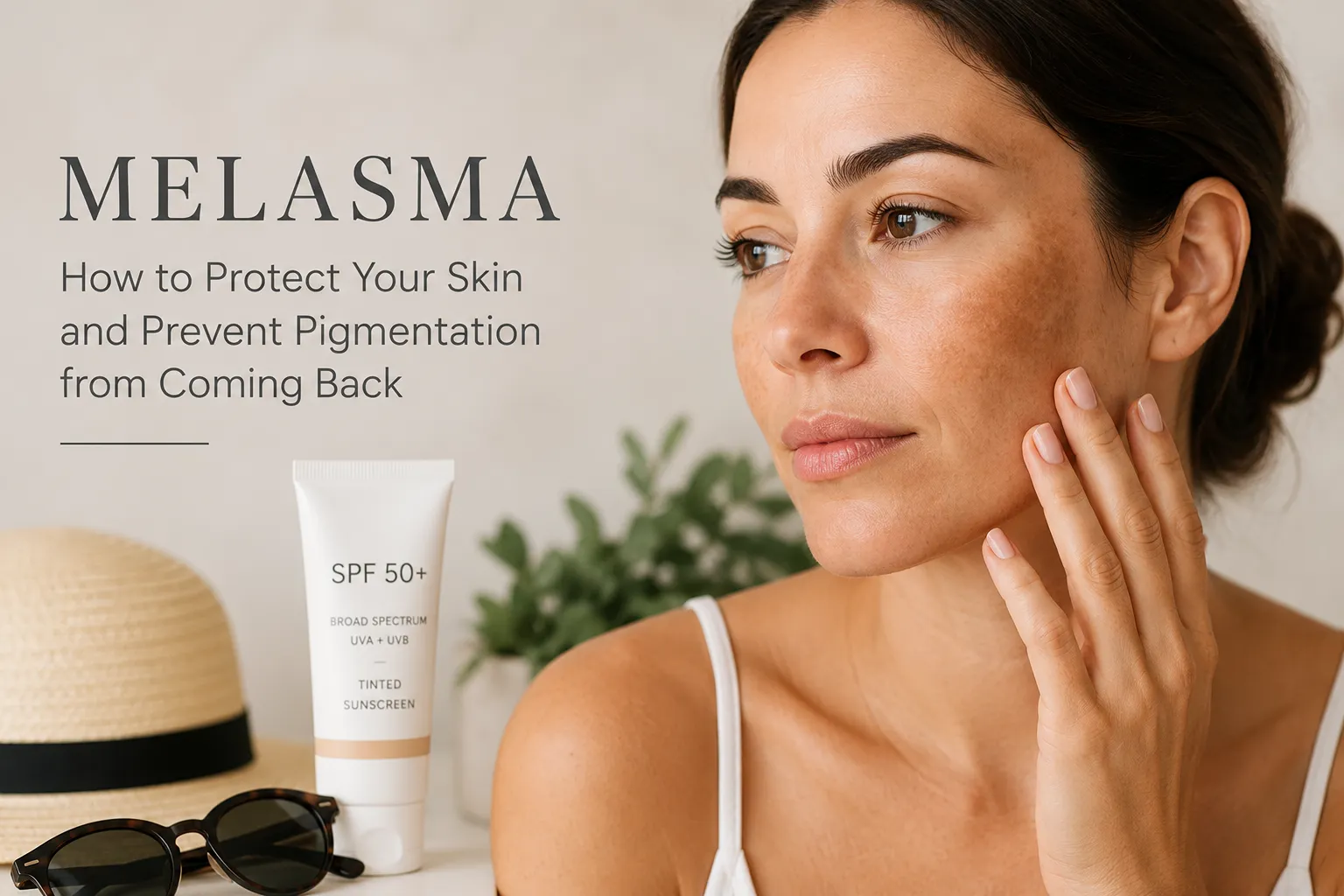
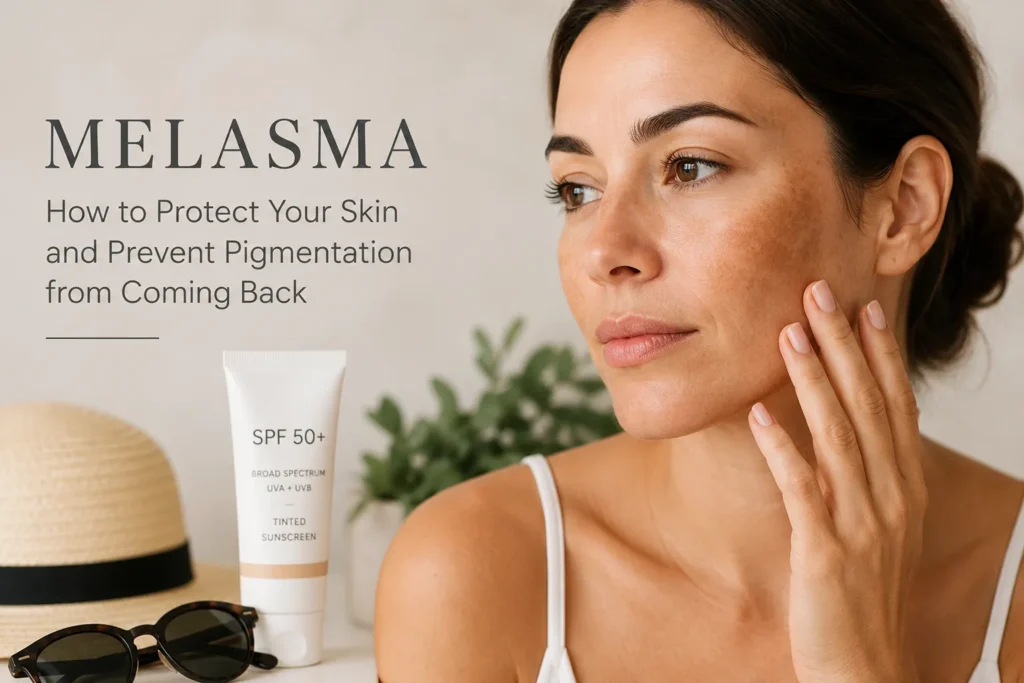
One of the simplest changes you can make is switching to a tinted sunscreen for melasma.
Unlike traditional sunscreens that primarily protect against UVA and UVB rays, tinted formulations contain iron oxides, which also help reduce the effects of visible light.
For people living with melasma, this additional protection can become an important part of preventing pigmentation from returning after treatment.
Read the research on iron oxide sunscreens
Are you applying enough SPF?
Are you applying enough SPF?
Even the best sunscreen cannot offer full protection if it isn’t applied correctly.
Many people simply don’t use enough product or forget to reapply it throughout the day, particularly after exercising, swimming or spending extended periods outdoors.
Daily consistency is often far more important than occasional use during sunny weather. Wearing a broad-spectrum SPF 50 every day, combined with protective clothing and seeking shade where possible, gives your skin the best opportunity to maintain improvements.
Read the latest research on photoprotection
Professional treatment can help break the cycle
While home skincare plays an important role, professional treatment is often needed to reduce existing pigmentation and improve overall skin health.
At Aesthetically Kind, we create personalised treatment plans based on your skin type, pigmentation pattern and lifestyle.
Depending on your individual needs, your treatment plan may include:
- Medical-grade skincare
- Chemical Peels
- Microneedling
- IPL Skin Rejuvenation where appropriate
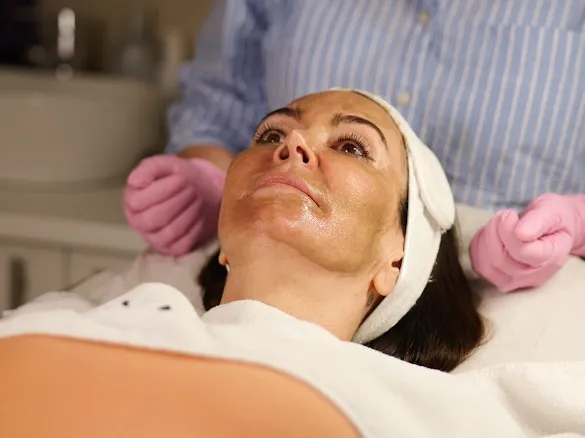
- IllumiFacial to improve overall skin clarity
- Ongoing skin health advice
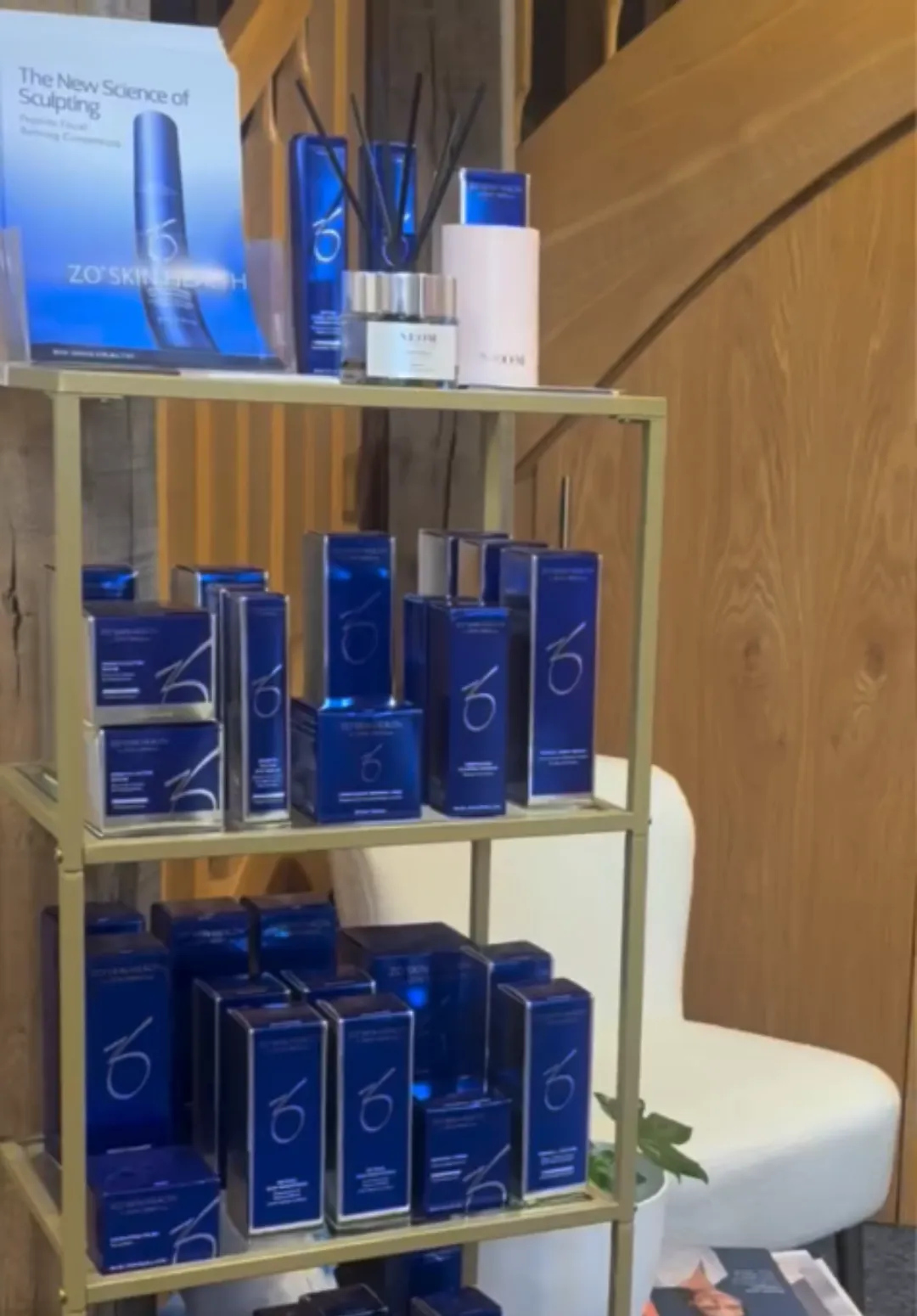
Professional treatment works alongside your daily skincare routine, helping to improve visible pigmentation while supporting healthier, more resilient skin. We may also recommend Medical Grade Skincare to complement your in-clinic treatments and help maintain your results at home.
Every treatment plan should be personalised
Melasma rarely behaves the same way in two people.
Your skin type, hormones, lifestyle, occupation and previous treatments can all influence how your pigmentation develops and responds to treatment.
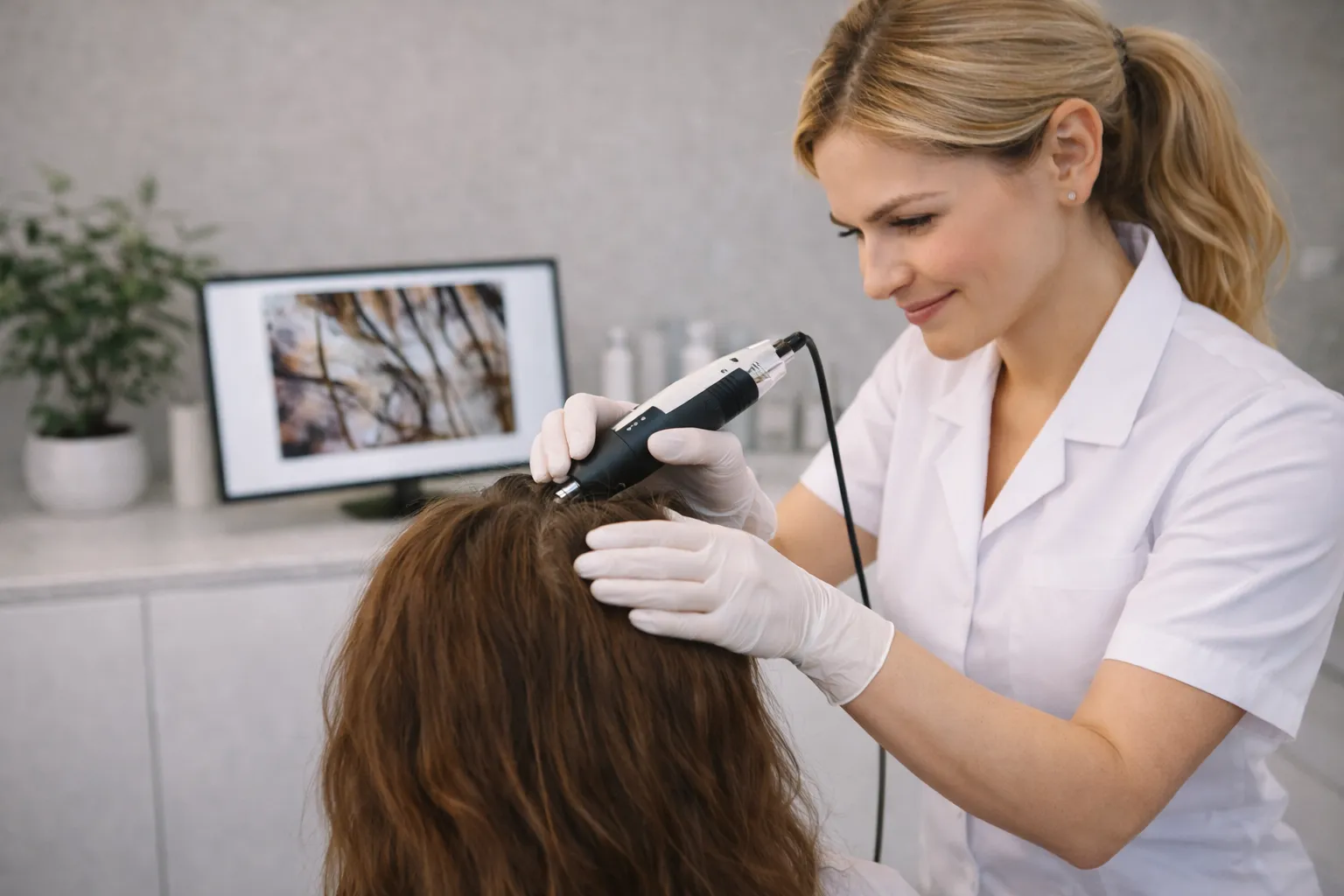
That’s why every client at Aesthetically Kind begins with a detailed skin consultation, allowing us to understand your skin before recommending the most suitable combination of professional treatments and home care.
Rather than searching for a quick fix, our aim is to create a realistic long-term management plan that fits around your lifestyle. If you’d like personalised advice about your skin, please Contact Us to arrange your consultation.
Managing melasma is a long-term commitment
Although melasma can be persistent, many people achieve significant improvements by combining professional treatments with a consistent medical-grade skincare routine and daily sun protection.
Small changes, such as wearing tinted sunscreen every day, avoiding unnecessary heat exposure and following personalised skincare advice, can make a real difference over time.
Consistency is often the key to maintaining brighter, healthier-looking skin.
Take the next step
If you’re looking for melasma treatment in Godalming, Aesthetically Kind welcomes clients from Godalming, Guildford, Cranleigh, Milford, Farncombe, Shalford, Witley and the surrounding Surrey villages.
We’ll take the time to understand your skin, explain why your pigmentation may be returning and recommend a treatment plan tailored to your individual needs.
If you’d like to start your journey towards clearer, more even-looking skin, please Contact Us to arrange your consultation.